AI visibility becomes useful when a team can inspect the answer behind a metric and understand what changed. This guide turns that principle into a practical operating approach.
KEY TAKEAWAYS
The short version
- Define the denominator before publishing share of voice.
- Separate presence, prominence and recommendation.
- Use a stable competitor set for trend comparison.
- Always show provider and prompt coverage.
Start with a transparent definition
A basic AI share-of-voice metric divides a brand’s qualifying mentions by all qualifying mentions across the monitored brand and competitor set. That definition sounds simple, but every word matters: what counts as a mention, which competitors qualify, and which prompts and providers are included?
Publish the calculation beside the result. Without it, two platforms can show different percentages from the same answers and both appear correct.
Measure more than presence
Presence tells you whether a brand appeared. Prominence captures where and how strongly it appeared. Recommendation distinguishes a brand being listed from a brand being selected as the best fit. These signals should not be silently merged.
- Mention rate: share of monitored answers containing the brand.
- Mention share: brand mentions divided by tracked-brand mentions.
- First-position share: frequency of being the first named option.
- Recommendation share: frequency of receiving an explicit endorsement.
Keep the comparison set stable
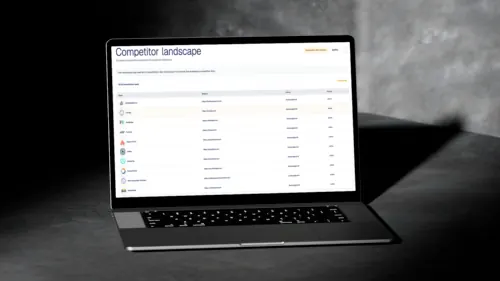
Changing the competitor list changes the denominator. Record when competitors are added or removed and avoid comparing periods with materially different scopes without a note.
Segment by market or buyer intent when the same competitors do not operate across every category. A single blended number can hide where a brand is genuinely winning.
Use share of voice as a diagnostic
The useful question is not only whether share increased. Ask which prompts changed, which provider produced the movement, who gained when the brand lost, and which citations appeared in the winning answer.